


Solutions
Autonomous Crushing Plant
Clear blockages faster, feed harder — AI control for the whole crushing circuit
Interactive plant schematic
Explore the flowsheet — click a highlighted area to open its technology page.
Technologies
Autonomous Rock Breaker
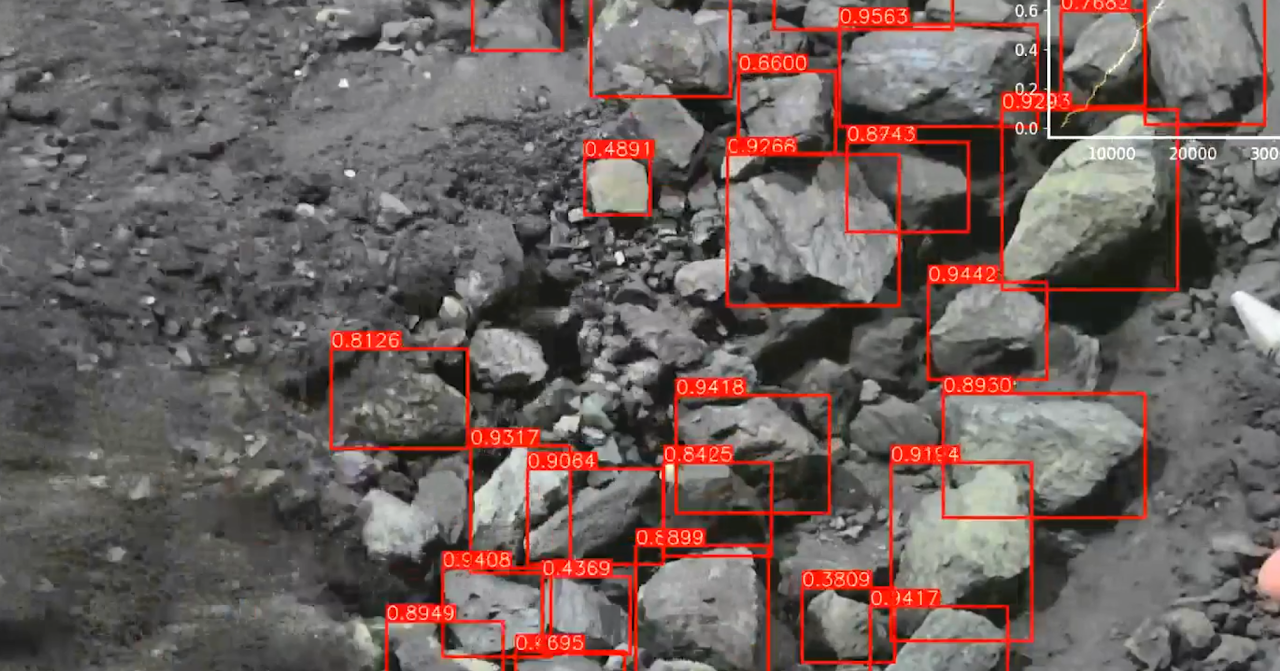
Cuts blockage downtime at ROM bins and crushers — reinforcement-learning rock-breaker control with vision-based bridge detection breaks bridges pre-emptively, safely and with minimal human intervention.
Learn more →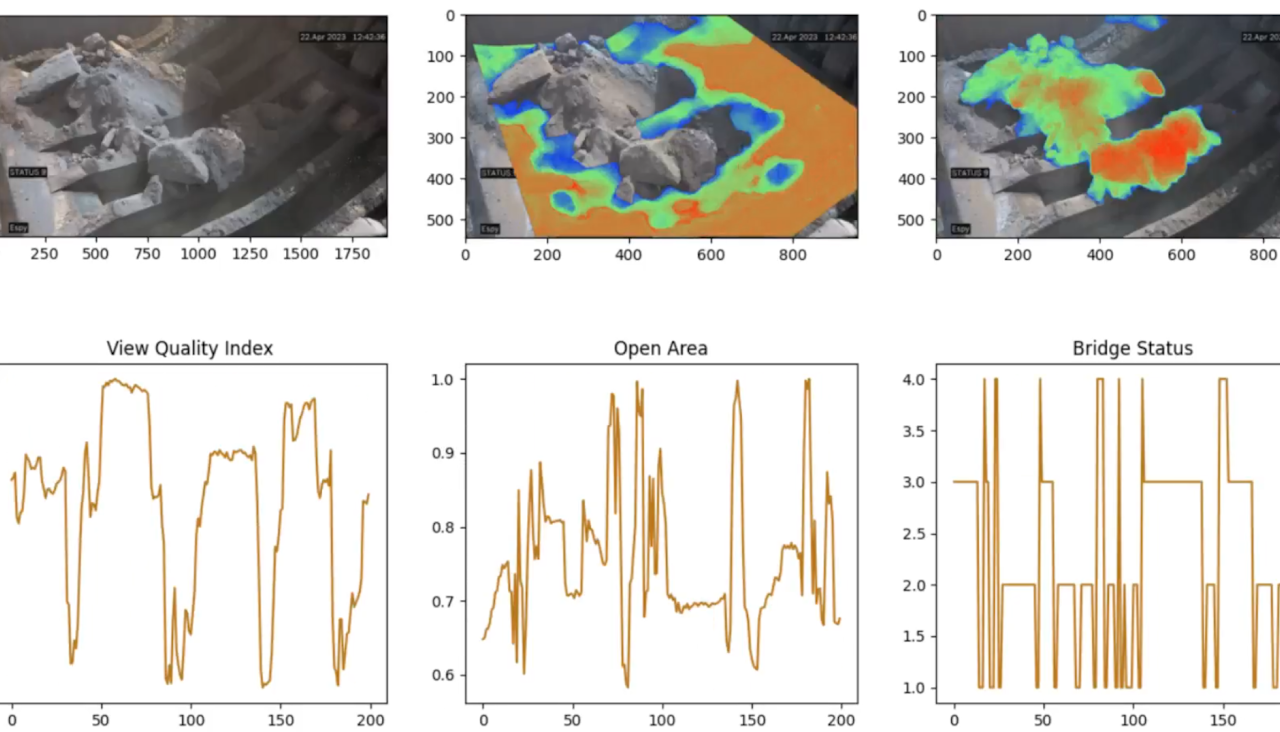
ROM Grizzly Bridge Detection
Camera-based detection distinguishes spillage, overhang and bridges on the static grizzly, supporting truck-tipping, feedrate and approved rock-breaking workflows.
Learn more →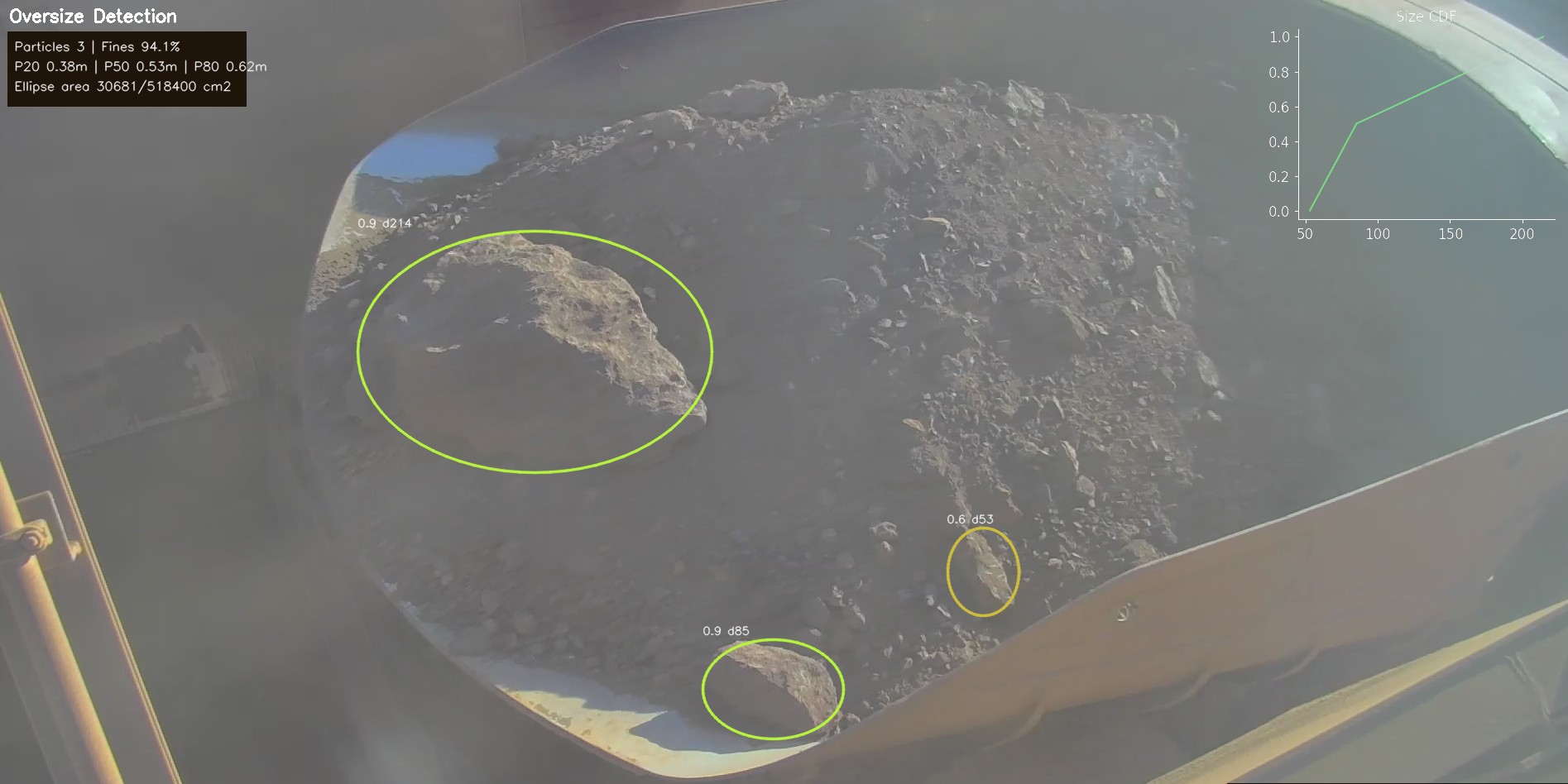
Oversize Management & Control
Targets oversize-related crushing downtime — real-time neural detection of oversize ore informs control-system, operator, blasting and rock-breaking responses across the circuit.
Learn more →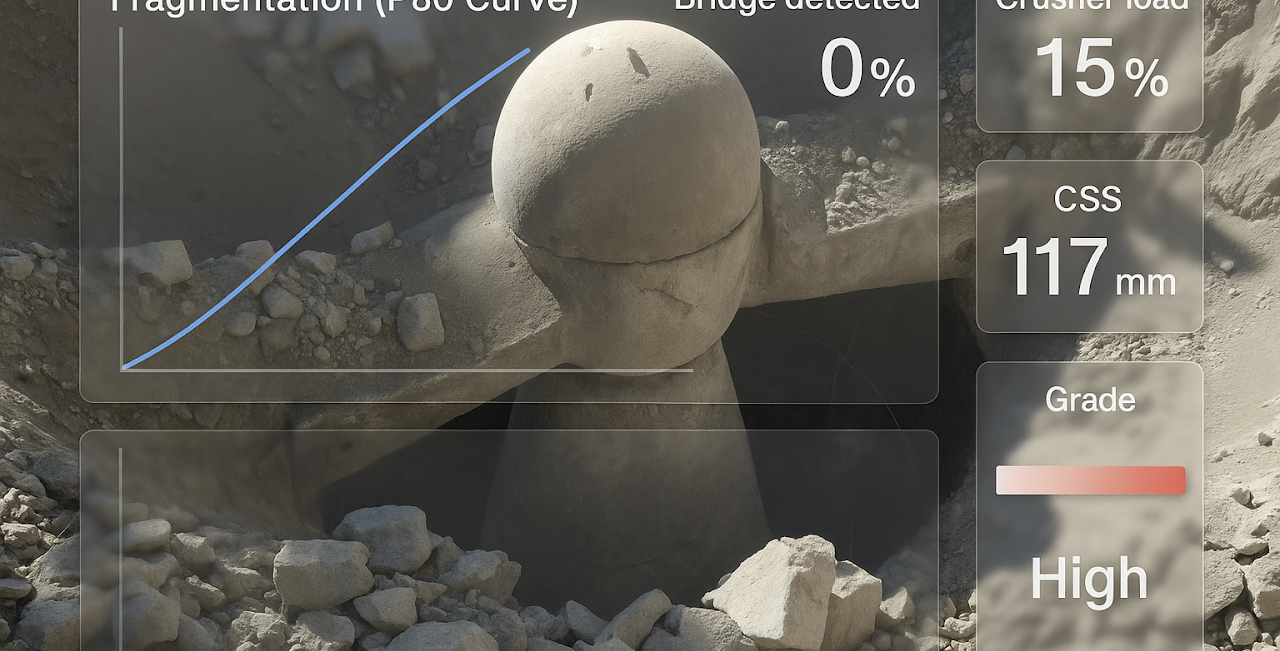
Crusher Bridge Detection
Detects crusher-bowl bridge conditions from camera and process data, supporting truck-tipping, primary-feedrate and rock-breaking workflows where the site integration allows.
Learn more →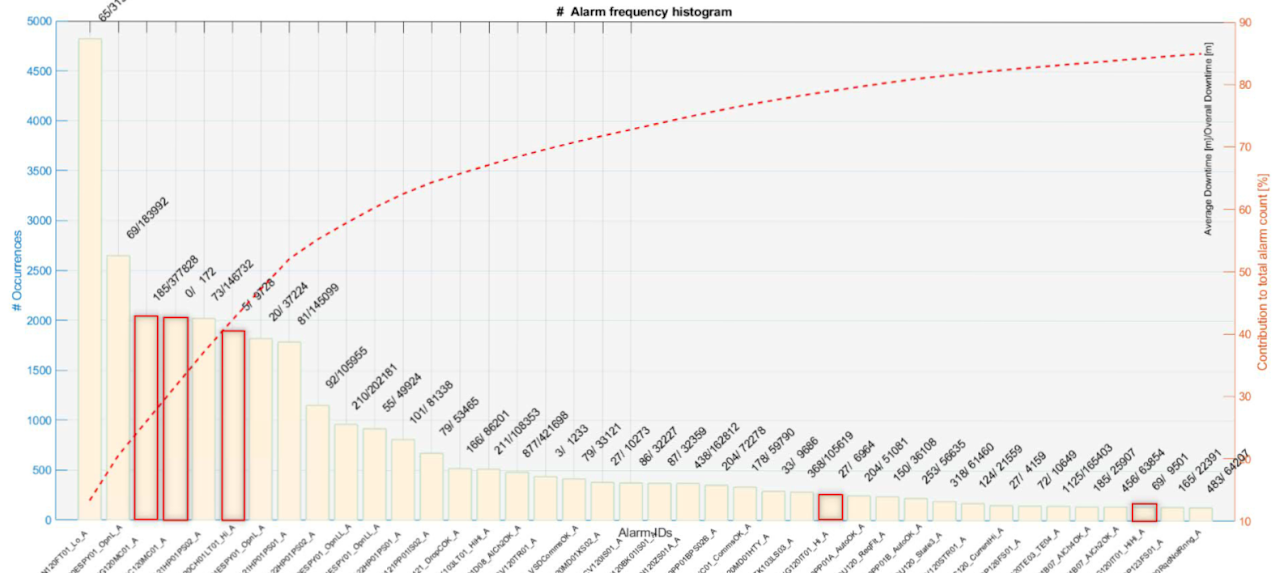
Crusher Bridge Prediction
Uses process data to estimate bridge risk early enough for a progressive feed response, subject to site-specific validation and control limits.
Learn more →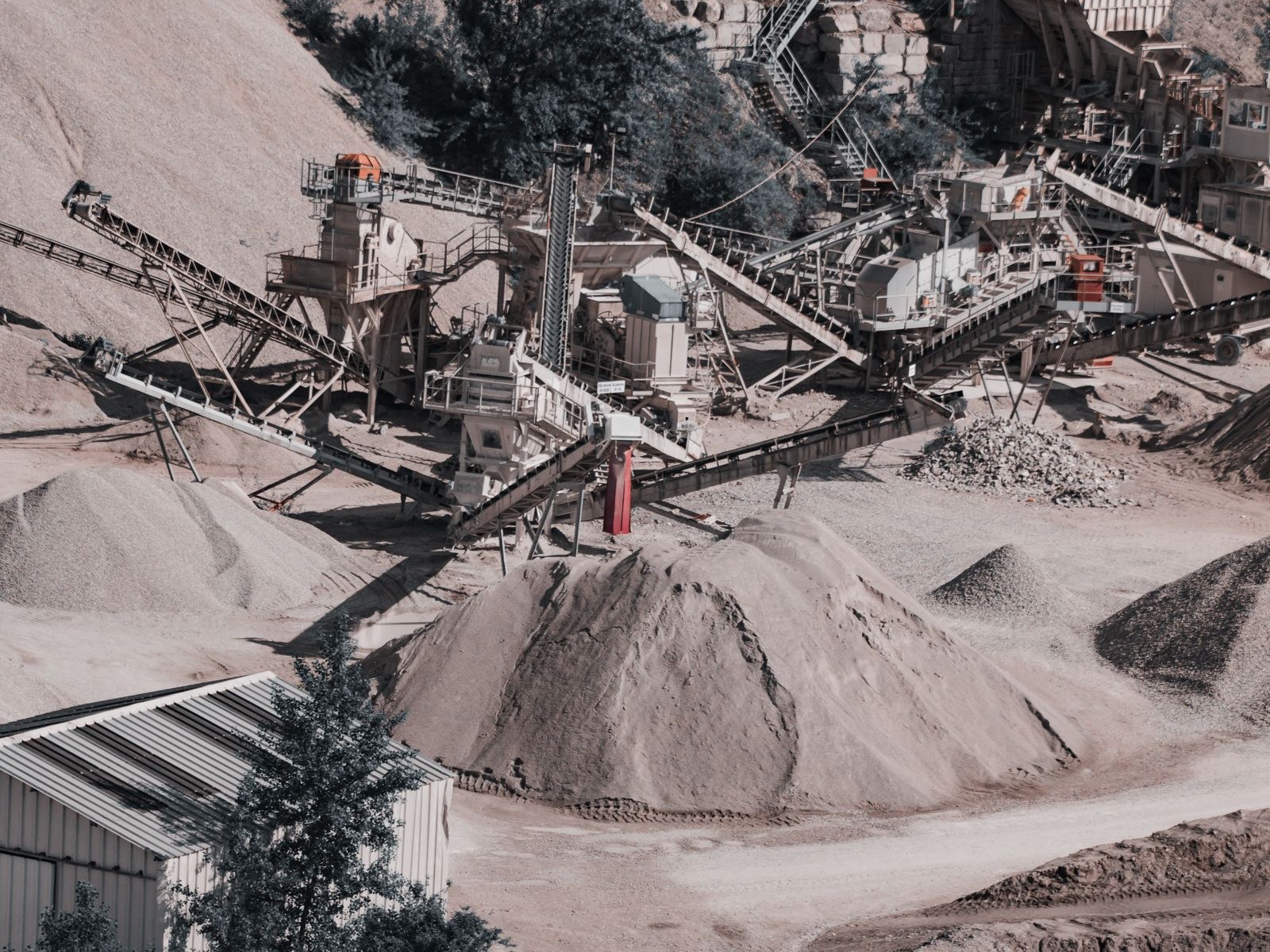
Neural Primary Discharge Control
Smooths primary discharge despite changing ore and tipping — CNN time-series forecasting drives adaptive apron-feeder control, benchmarks competing control strategies and powers predictive alarming.
Learn more →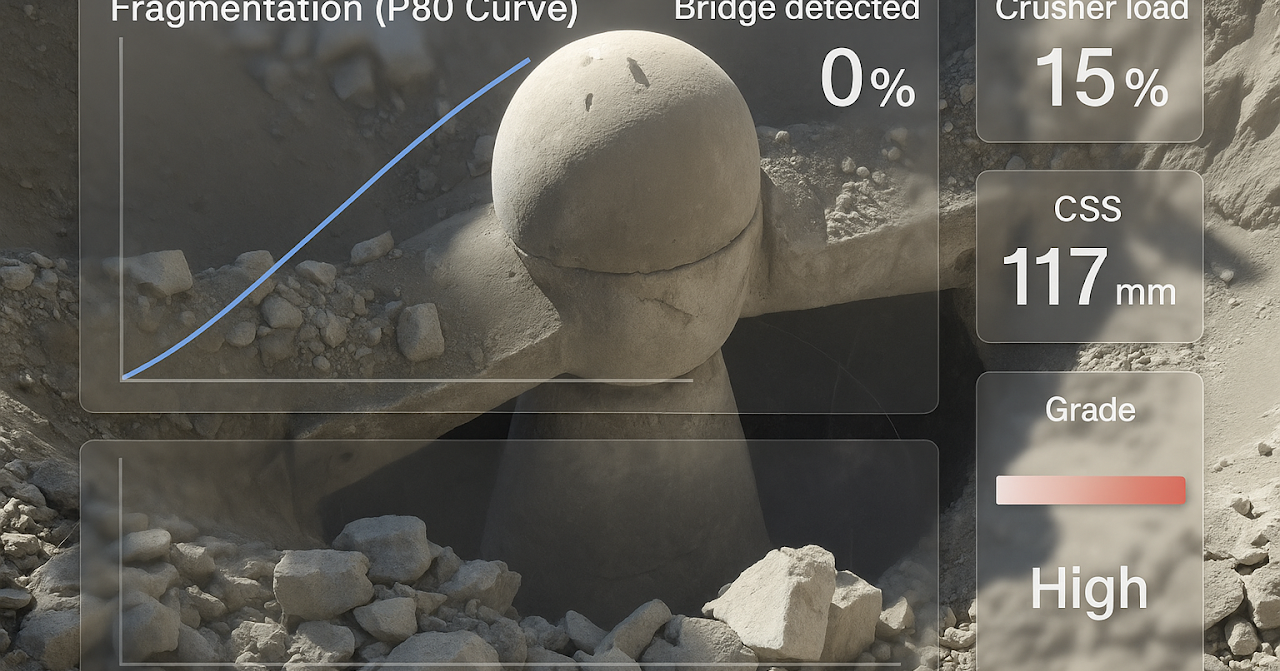
Neural Crusher CSS Control
Ends inefficient fixed-gap crushing — neural work-index prediction from visual and process data adjusts closed side setting and speed for consistent product size, higher throughput and lower energy use.
Learn more →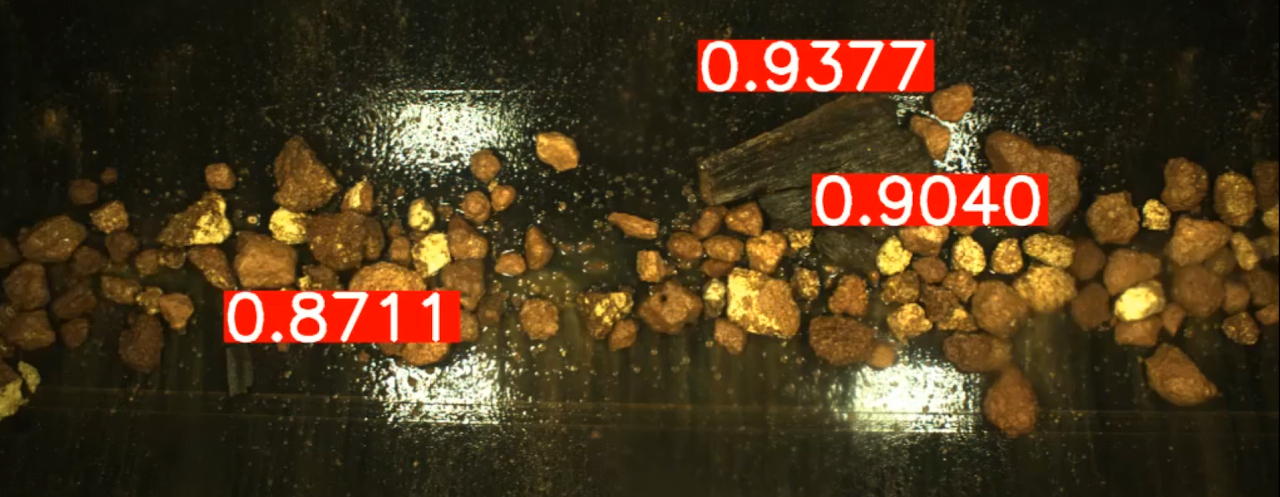
Real-time Timber Detection
Detects timber, plastics, fibreglass and tramp metal on conveyors and can trigger alarms or automatic diversion when integrated with the plant control system.
Learn more →Autonomous Mine Intelligence
A plant-level optimiser for Crushing
Your operators shouldn’t have to trial-and-error the plant to its sweet spot. Above the crushing control loops, a governed Layer-3 process supervisor continuously moves the plant’s high-level setpoints — searching for better operating points while a Layer-2 neural model-predictive layer models the process response. It runs in closed loop within operator-approved boundaries, measures what actually happened, and learns which moves improve performance.
Setpoints it moves
- ROM feed rate
- Apron-feeder distribution & speed
- Crusher CSS targets
- Surge-bin level targets
Optimisation objectives
- Maximise sustained throughput
- Minimise oversize to downstream
- Avoid bridging & crusher overload
- Balance bin & surge inventory